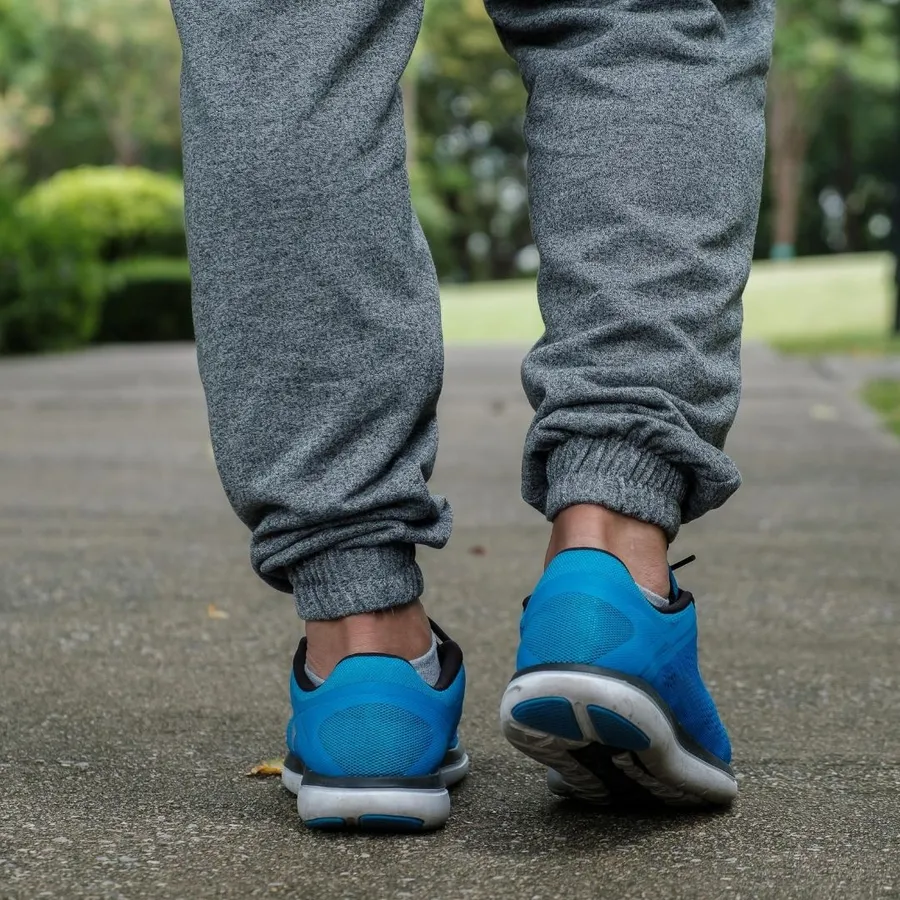
If you have PAD, walking may be the last thing you feel like doing. But for many people, regular walking is one of the most helpful things they can do. Always check with your doctor first, especially if you have heart disease or a foot wound. Then use this simple plan to build up slowly.
Why walking helps
Regular walking trains your muscles to use oxygen better and supports overall heart health. Many people find they can walk farther over time. It also helps with blood sugar, blood pressure and weight, which all affect PAD.
A simple routine
Start where you are. The goal is steady progress, not a perfect day.
- Walk until you feel moderate leg discomfort
- Stop and rest until it eases
- Start walking again
- Repeat for about 30 minutes total, most days
- Slowly add time as it gets easier
Make it easier in Jacksonville
Florida heat is real. Walk early in the morning or in the evening, or use an air-conditioned mall or indoor track. Bring water. Pick flat, shaded routes. Walking with a friend makes it easier to stick with.
Protect your feet
Wear well-fitting shoes and clean socks. Check your feet after each walk, especially if you have diabetes. Do not walk on a foot with an open wound unless your care team says it is okay.
When to stop and call
Stop and call 911 for chest pain, severe shortness of breath or a leg that suddenly turns cold, pale or numb. Call your doctor if your walking distance gets much shorter or pain starts at rest.
Checking where you start
Before you build up your walks, your doctor may want a baseline from FCCI's accredited Non-Invasive Vascular Lab, Jacksonville's only lab focused just on vascular studies. A peripheral arterial duplex takes about two hours and uses ultrasound and cuffs, no needles.
If walking is not enough
For some people, walking and medicine do the job. When they do not, FCCI's outpatient cath lab can open leg arteries with atherectomy, balloons or stents, and Shockwave Medical's lithoplasty system treats calcified plaque. A small puncture at the wrist or groin is typical, with 1 to 3 hours in the lab and 1 to 5 hours of recovery. FCCI treats amputation as a last resort.
Bring your walking log
A week of notes on how far you walked and when the pain started is gold for your doctor, and it shows whether the plan is working. Add your medicine list and wear the shoes you actually walk in.
Ready to get a plan going? Call 904.493.3333, or 904.644.0092 in Orange Park and 386.325.2836 in Palatka, or book on the booking page. Check with your own doctor before starting any exercise routine; this is general guidance. Chest pain or sudden leg pain on a walk means stop and call 911.