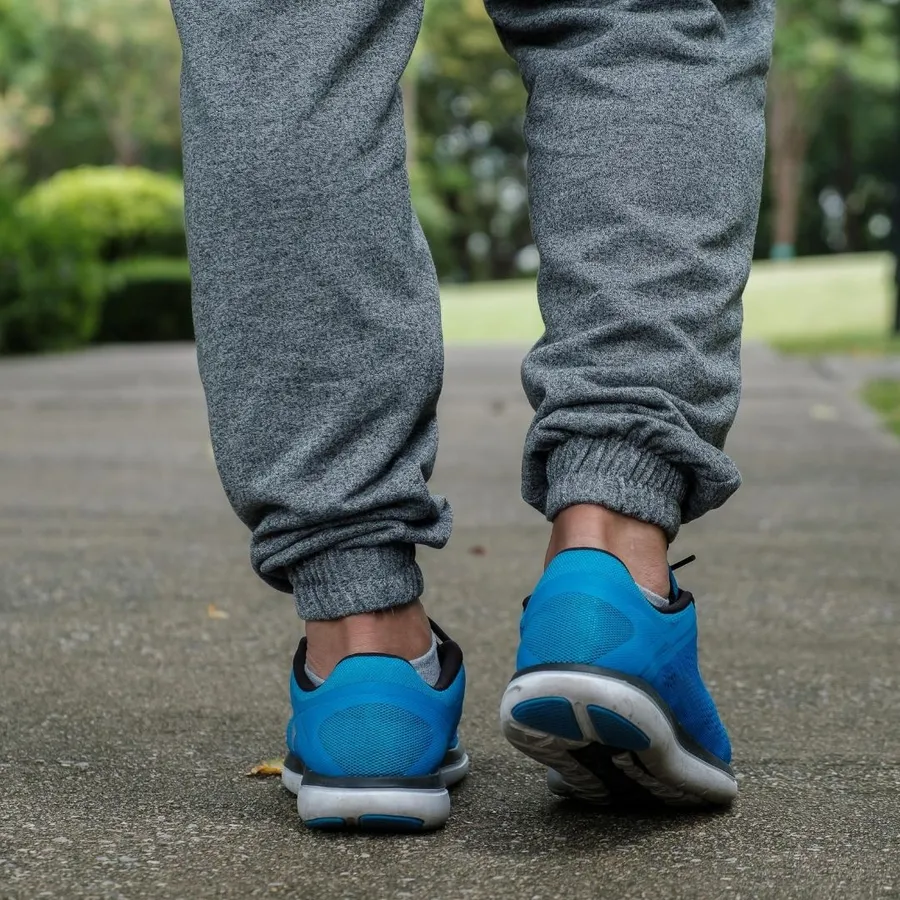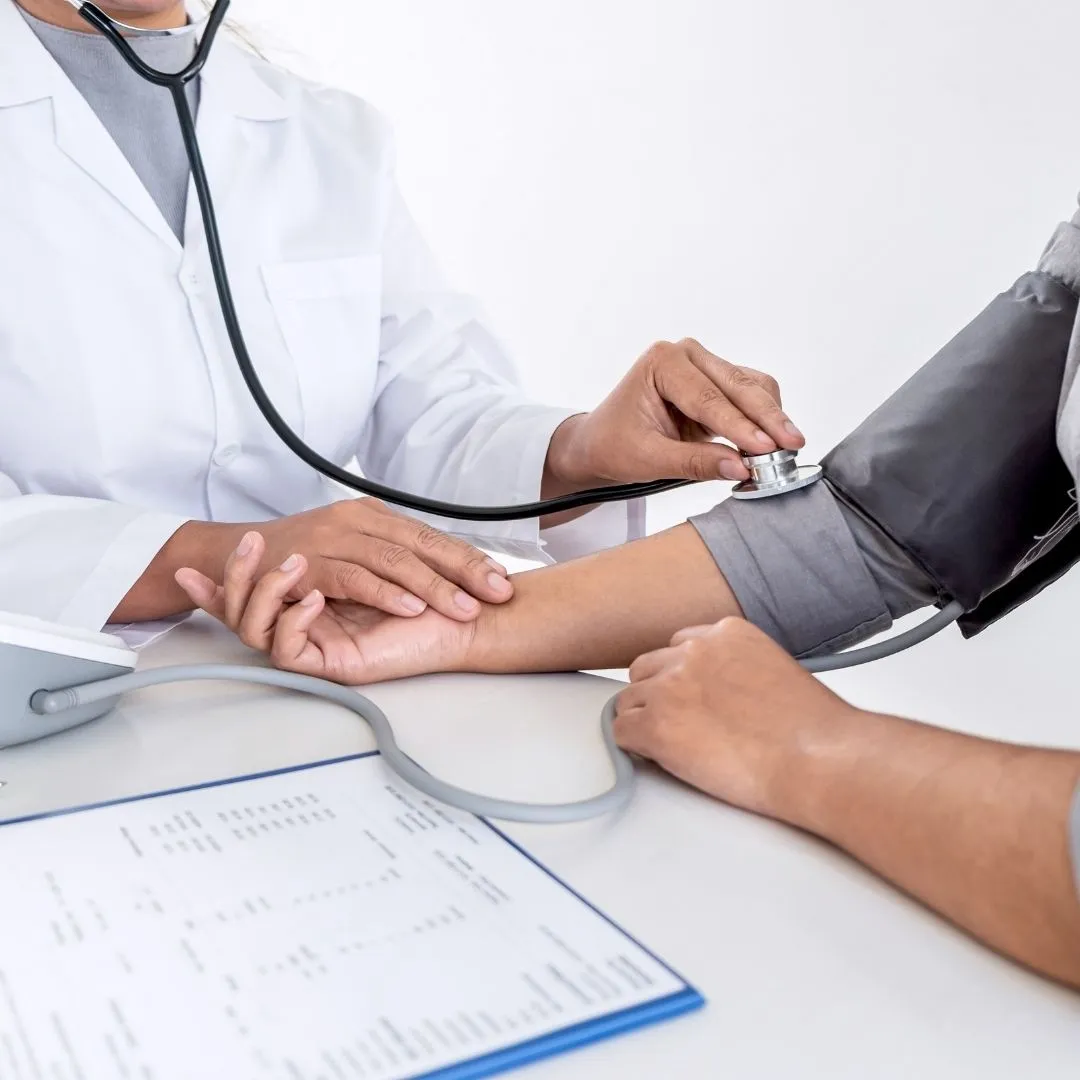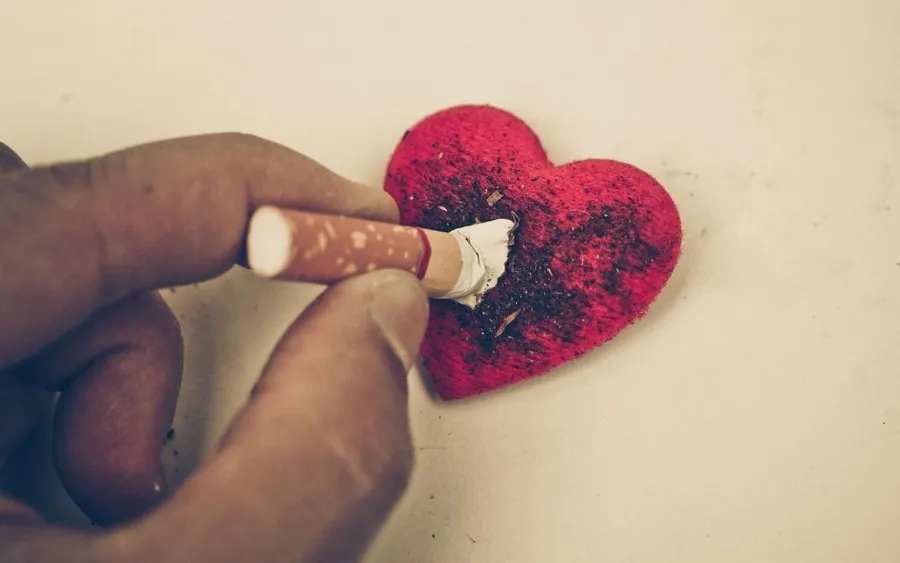
If you smoke or use tobacco and you have leg pain, cold feet or slow-healing sores, quitting is one of the most powerful steps you can take. Tobacco narrows and damages arteries, makes blood more likely to clot and slows healing. Quitting is hard, but you do not have to do it alone.
What tobacco does to arteries
Chemicals in tobacco damage the inner lining of arteries, which helps plaque stick and grow. Nicotine tightens blood vessels, and smoke lowers the oxygen your blood can carry. For legs already short on blood, that is a heavy load.
Why it matters for PAD
Smoking is one of the strongest risk factors for PAD. It also affects how well treatments work and how wounds heal. FCCI even asks patients to avoid tobacco for 7 hours before some vascular ultrasounds because it changes how blood vessels behave.
Steps that help
Pick what fits your life and stack a few together.
- Set a quit date and tell people
- Ask your doctor about medicines and nicotine replacement
- Ask about free quit-line support or a quit app
- Swap the habit: walk, chew gum, keep hands busy
- Remove tobacco from your home and car
If you slip
Most people try more than once before quitting for good. A slip is not failure. Look at what triggered it, adjust and keep going.
Let your care team help
Tell your FCCI doctor you are trying to quit. They can support you and track how your circulation responds.
Seeing what tobacco has done
If you have smoked, a painless scan at FCCI's accredited Non-Invasive Vascular Lab, Jacksonville's only lab dedicated entirely to vascular testing, can show how your neck and leg arteries look. Ultrasound and cuffs only, no needles or radiation. Ironically, some studies ask you to skip tobacco for seven hours beforehand, which makes for a decent first practice run.
If an artery needs reopening
When a blockage is already limiting blood flow, FCCI's cath lab can open it with atherectomy devices, balloons or stents through a tiny incision at the wrist or groin. Calcium-heavy blockages can be treated with Shockwave Medical's lithoplasty system. Quitting still matters afterward, because it helps keep the artery open.
Why patients choose FCCI
FCCI has served Northeast Florida since 2002 in Duval, Clay, St. Johns, Putnam and Ware counties, with seven cardiovascular accreditations and outpatient labs in Jacksonville (2007) and Palatka (2016). It takes Medicare, Tricare, Blue Cross Blue Shield, Aetna, Cigna, United Healthcare, Humana (with some exceptions) and many other plans.
Tell your doctor honestly how much you smoke or vape; nobody is there to judge. Call 904.493.3333, 904.644.0092 in Orange Park or 386.325.2836 in Palatka, or use the booking page. This is general information rather than a treatment plan, and chest pain or stroke signs always mean 911.